See & Do Texas
Missions, music halls, rockets, cattle drives, Gulf beaches and desert canyons, sorted by region.
See things to do »Texas, One Region at a Time
Texas is big enough that a visit usually means choosing a corner. Interstate 10 alone runs more than 800 miles from the Louisiana line to El Paso, and the scenery changes completely along the way, from Gulf marsh and pine forest to limestone hills, open ranch land and finally Chihuahuan Desert mountains. Most trips focus on one or two of the big cities, which sit in a rough triangle connected by interstates, and add a day or two in the countryside or on the coast.
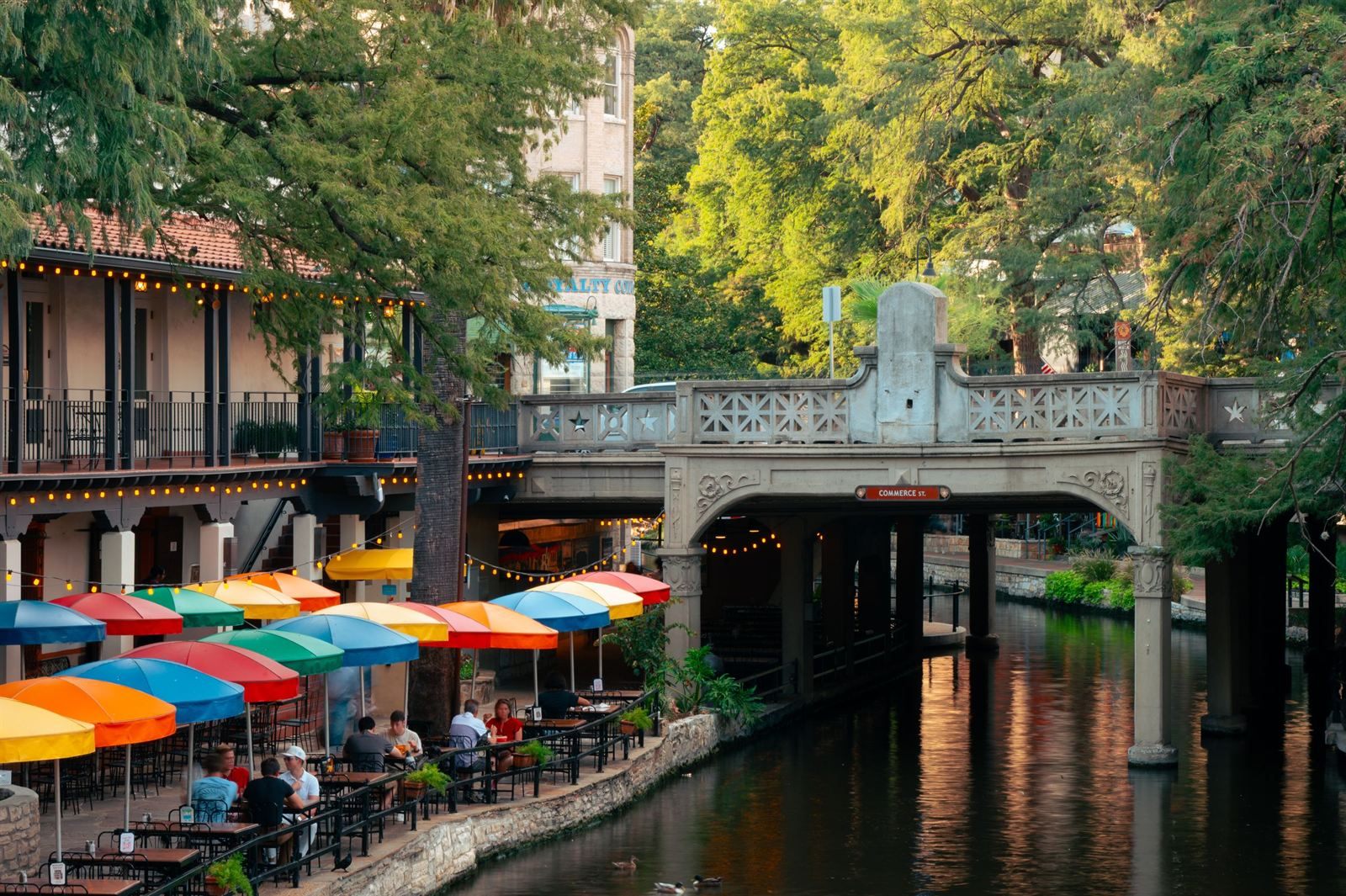
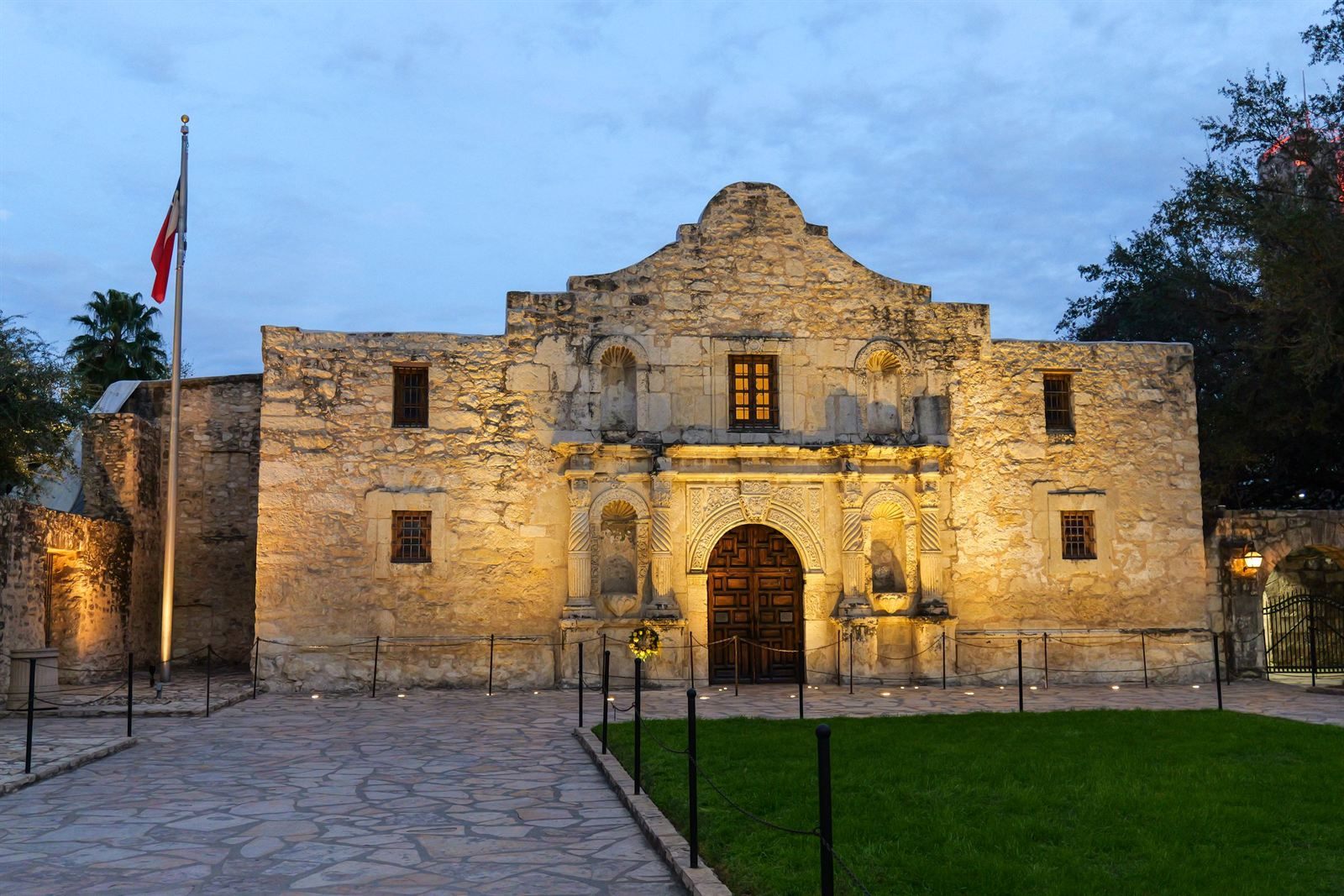
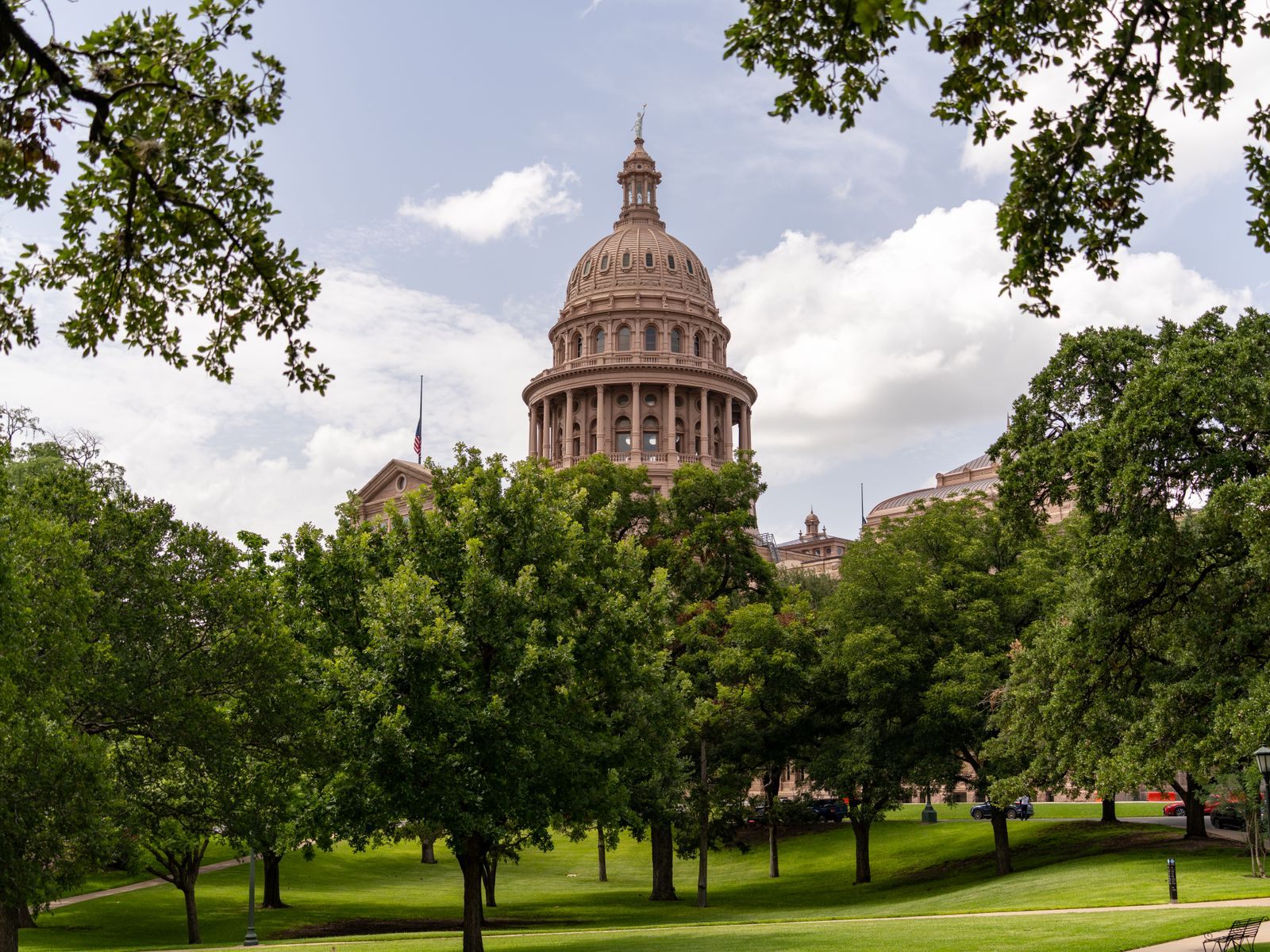
San Antonio is the place most first-time visitors start. The Alamo stands in the middle of downtown, a short walk from the River Walk, a loop of stone paths and cafes one level below the street, and the city's four other Spanish colonial missions form a national historical park and World Heritage Site to the south. Austin, about 80 miles north, is the state capital and a college town that built its reputation on live music; on any night there are bands playing on Sixth Street, Red River and South Congress, and from spring into fall a huge colony of bats leaves the Congress Avenue Bridge at dusk.
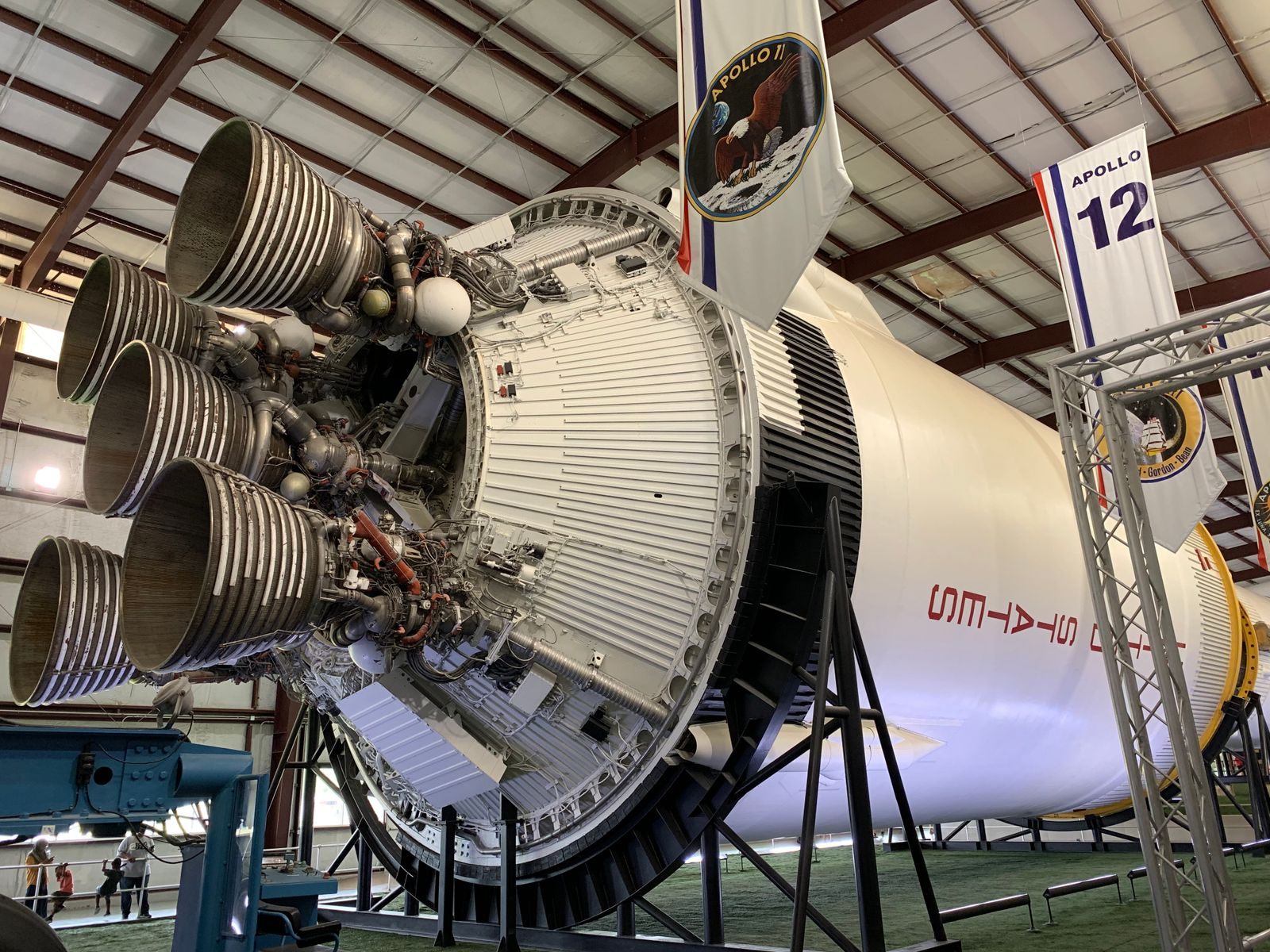
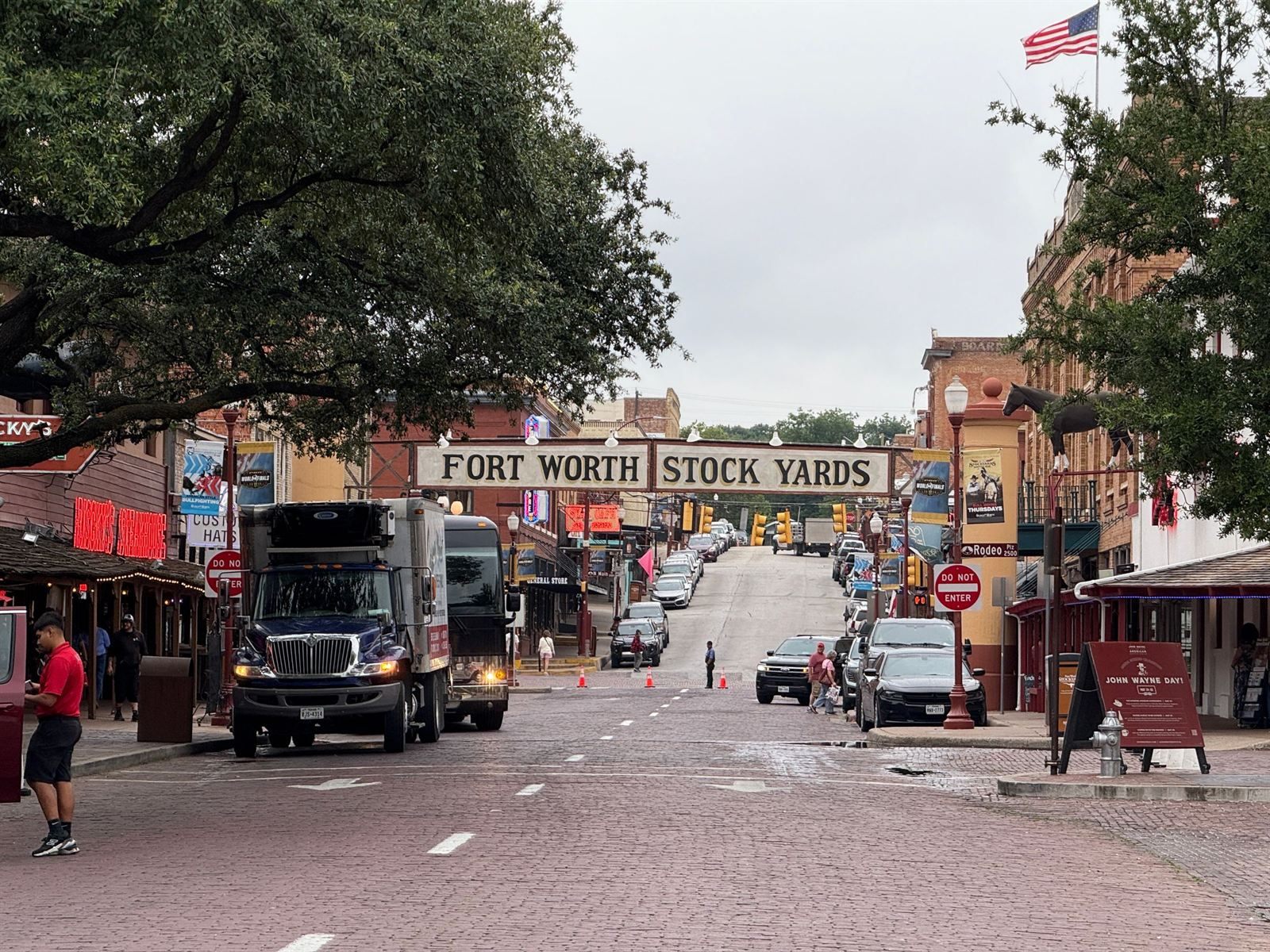
Houston is the largest city in the state and the most international, with a museum district that rivals any in the country and Space Center Houston, the visitor center for NASA's Johnson Space Center, about 25 miles southeast of downtown. Dallas and Fort Worth, about 30 miles apart, make up the largest metro area in Texas. Dallas has the Sixth Floor Museum, which tells the story of President Kennedy's assassination from the former book depository, and a downtown arts district; Fort Worth has the Stockyards, where longhorns are driven down Exchange Avenue twice a day, and a cluster of excellent art museums.
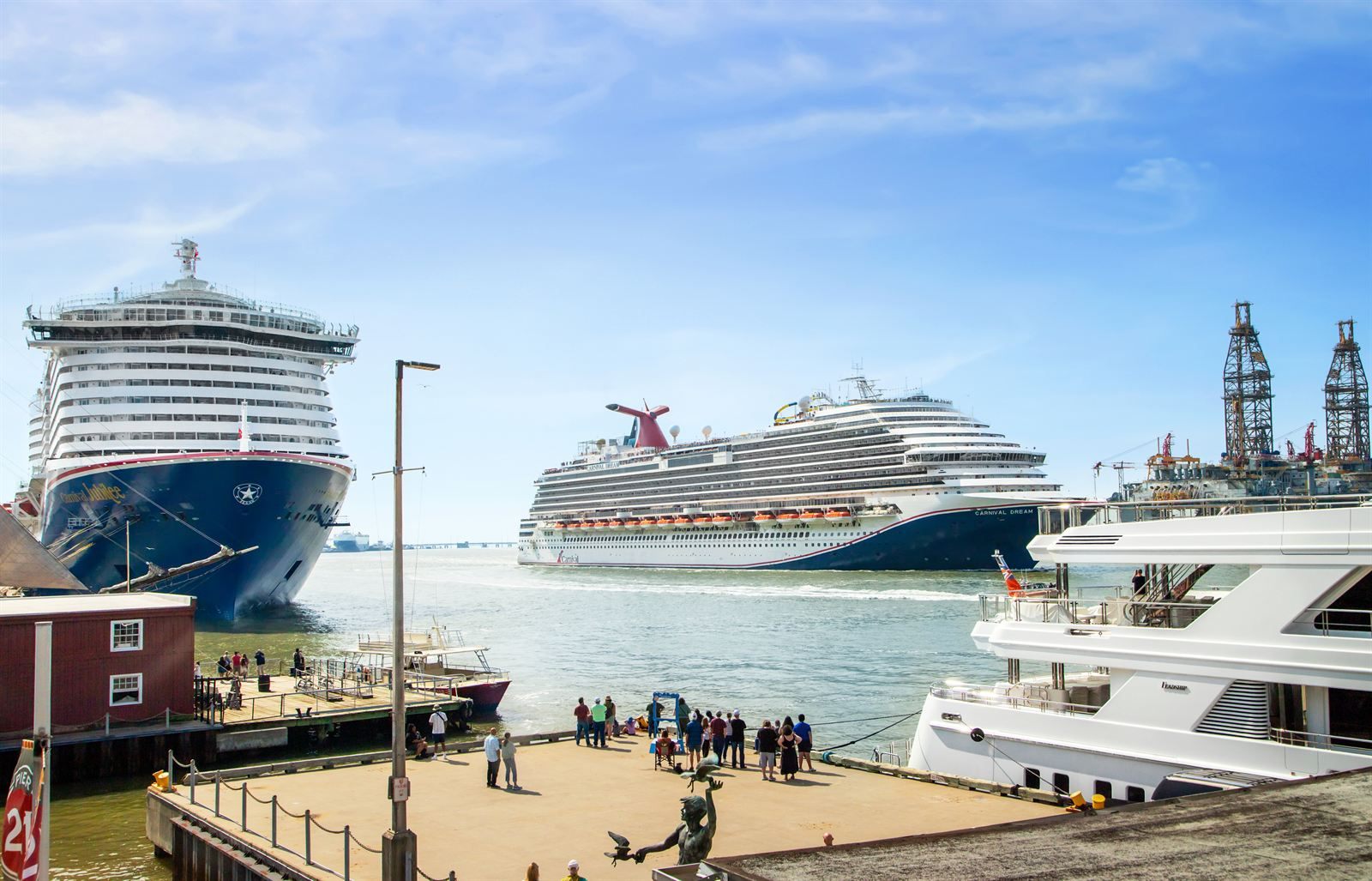
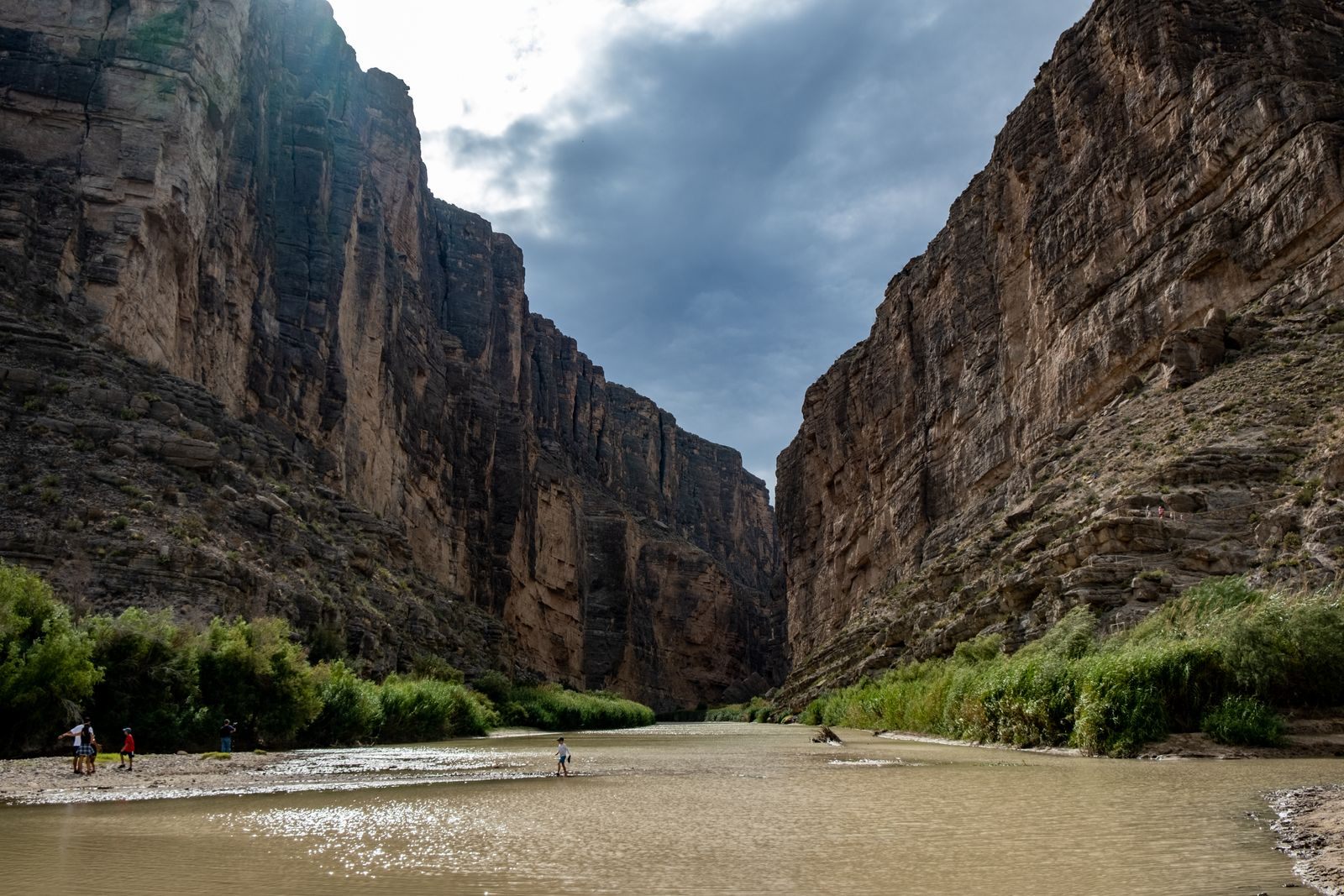
The Gulf Coast offers a different pace. Galveston, an island city about an hour from Houston, has Victorian neighborhoods, a long seawall, an amusement pier over the water and one of the busiest cruise ports in the country. Farther south, Corpus Christi and Padre Island have quieter beaches and the longest stretch of undeveloped barrier island in the world. Inland, the Hill Country west of Austin and San Antonio is a land of German-settled towns, swimming holes, dance halls and wineries, and Big Bend, far out in West Texas, is one of the least visited and most dramatic national parks in the lower 48.
This guide gives each of those six regions its own page with highlights we checked and bookable tours with current traveler reviews. You will also find a statewide dining guide, from barbecue joints to Tex-Mex institutions, and a list of the rodeos, festivals and fairs that come back every year. Spring, when the bluebonnets bloom, and fall are the most comfortable seasons; summer is hot almost everywhere except on the water.
Explore Texas by Area
Top-Rated Things to Do in Texas
 Viator
 Viator
 Viator
 Viator
 Viator
 Viator
 Viator
 Viator
Tours, tickets, prices and reviews from Viator (a Tripadvisor company) and Tiqets — prices are per person, from, and were checked October 28, 2026. See & Do Texas may earn a commission when you book, at no extra cost to you.
Where to Eat in Texas
A smokehouse in Lockhart that has served barbecue since 1932, a 24-hour Tex-Mex cafe on San Antonio's Market Square, an Austin brisket line that starts before dawn, a Fort Worth patio restaurant from the 1930s and a Galveston seafood house that opened in 1911: our dining guide covers each region.
Festivals and Events in Texas
Winter is rodeo season in Fort Worth, San Antonio and Houston, spring brings SXSW and Fiesta San Antonio, and fall has Austin City Limits, the State Fair of Texas in Dallas and Wurstfest in New Braunfels.
Want help planning Texas?
Tell us when you are coming and what you enjoy. A travel specialist will put together hotel, activity and travel options for you — free, with no obligation.
Get free trip quotes »Plan Your Texas Trip
Texas — FAQ
What is the best time to visit Texas?
March through May and October through November. Spring brings wildflowers and the big rodeos and festivals, and fall brings milder weather, the State Fair and Austin City Limits. Summer is very hot inland, though the coast and the Hill Country rivers are busy then.
How many days do I need?
Plan two or three days for each major city. A week works well for San Antonio, Austin and a couple of Hill Country towns. Big Bend is remote, so allow at least three days including the drive.
Do I need a car in Texas?
Almost always. Downtown San Antonio and parts of Austin are walkable, and Dallas has a light rail system, but distances between cities and sights are long and public transit between regions is limited.
Which airports should I use?
Dallas Fort Worth International and Houston Bush Intercontinental have the most flights. San Antonio, Austin-Bergstrom, Dallas Love Field and Houston Hobby are convenient for their cities. Big Bend visitors usually fly into Midland or El Paso.
Can I take a cruise from Texas?
Yes. The Port of Galveston is a year-round home port for several major lines, with most sailings heading to the Western Caribbean and Mexico.